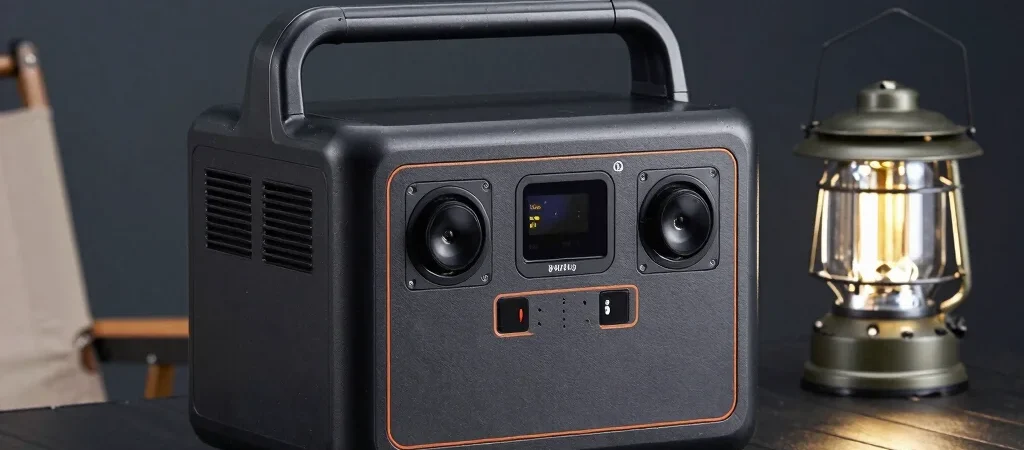
Choosing a portable power station requires sifting through marketing claims about peak wattage and cycle life. When camping off the grid, reliable power comes down to usable capacity, port selection, and real-world durability under varying outdoor temperatures.
Battery Chemistry and Cycle Life
Lithium iron phosphate cells have quickly set the benchmark for power station longevity, offering significantly more charge cycles than traditional nickel manganese cobalt batteries. While LiFePO4 models weigh slightly more, the trade-off yields years of daily use without noticeable capacity degradation.
Inverter Output and Real-World Usability
Continuous wattage matters far more than surge ratings when running camp fridges, induction burners, or heated blankets. A clean sine wave inverter prevents sensitive electronics from overheating, while multiple high-output USB-C ports eliminate the need for extra wall adapters.
The Verdict on Portability and Value
Smaller 500-watt-hour units excel for weekend trips where solar recharge times are short and weight is a priority. For extended boondocking, a 1000-watt-hour station strikes the optimal balance between physical footprint and multi-day energy reserves. Note that NovaFinds Lab may earn an affiliate commission on qualifying gear purchases made through our review links.